Maybe it was the Chicken Pox?
Maybe it was the chicken pox? (2022–present) is Antonia Attwood’s personal exploration of chronic illness, developed following her diagnosis with Psoriatic Arthritis. Using micro photography, painting, video, and sculpture, Attwood visualises the internal realities of living with a chronic autoimmune condition.
List of works:
Places of Restoration, 2026
This work explores the horizontal spaces where healing and recovery occurs during illness. For Attwood, her psoriatic arthritis often entails long stints lying in bed with chronic fatigue and pain, while the use of UV light beds supports the healing of skin. In this work, you are invited to occupy a vulnerable, ‘poorly’ position. Lay on the pillow, hand- embroidered with a circular motif, symbolising the cyclical nature of chronic illness.
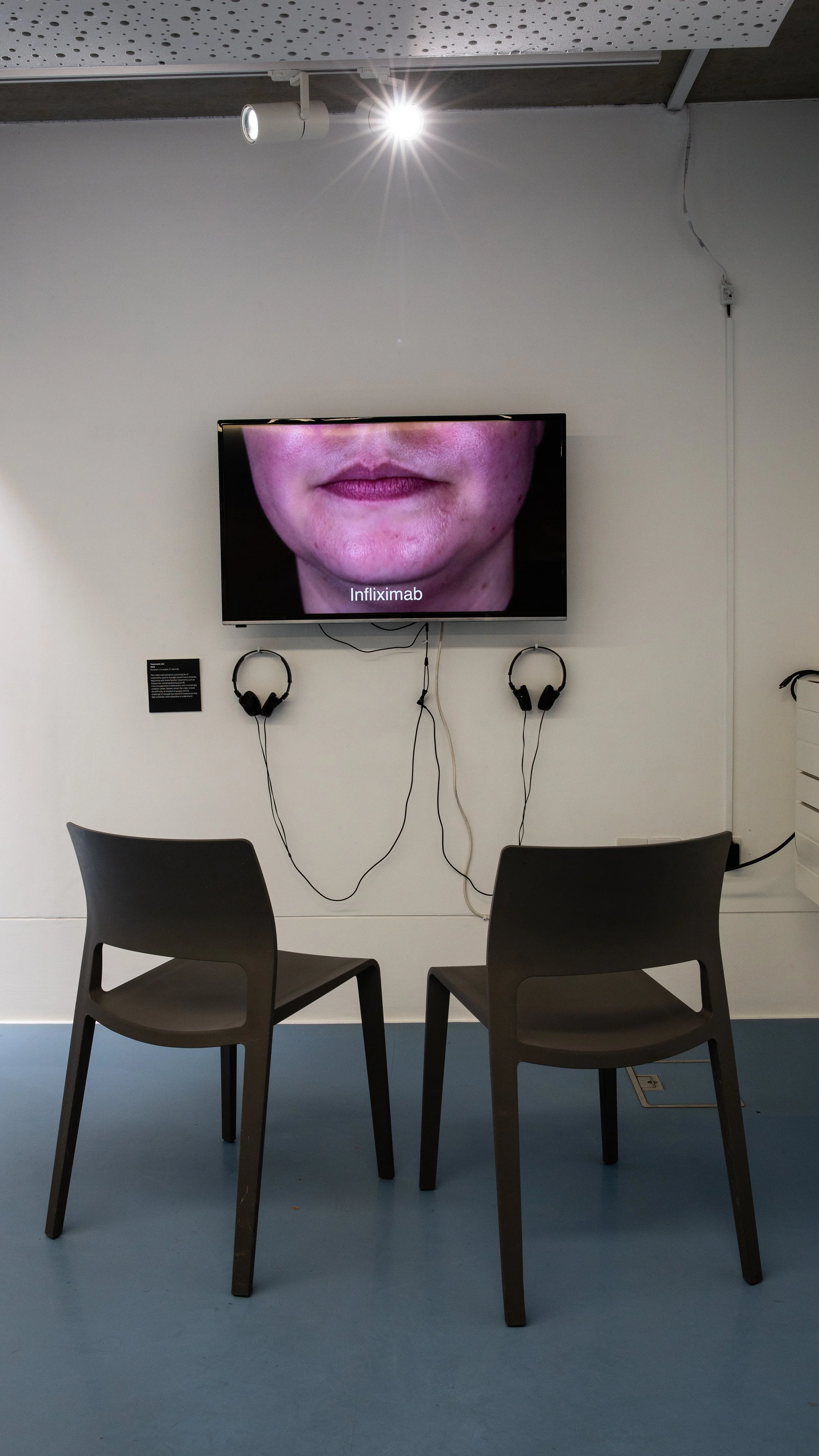
Treatment List, 2026
This video work presents a growing list of treatments used to manage autoimmune diseases, beginning with more familiar treatments such as moisturiser, and progressing towards immunosuppressant medications with increasingly complex names. Spoken aloud, the video reveals the difficulty of medical language and the challenge of navigating a world of treatments that feel unfamiliar and impossible to understand.
Injection Helix, 2026
Following her diagnosis, Antonia Attwood underwent a long process of trying different medications to find an effective treatment. Here, the biweekly injection pens that became part of her routine are collected and reassembled into the form of a DNA double helix. Referencing the genetic basis of her autoimmune condition, the work transforms the remnants of medical treatment into a personal sculptural record of living with chronic illness.
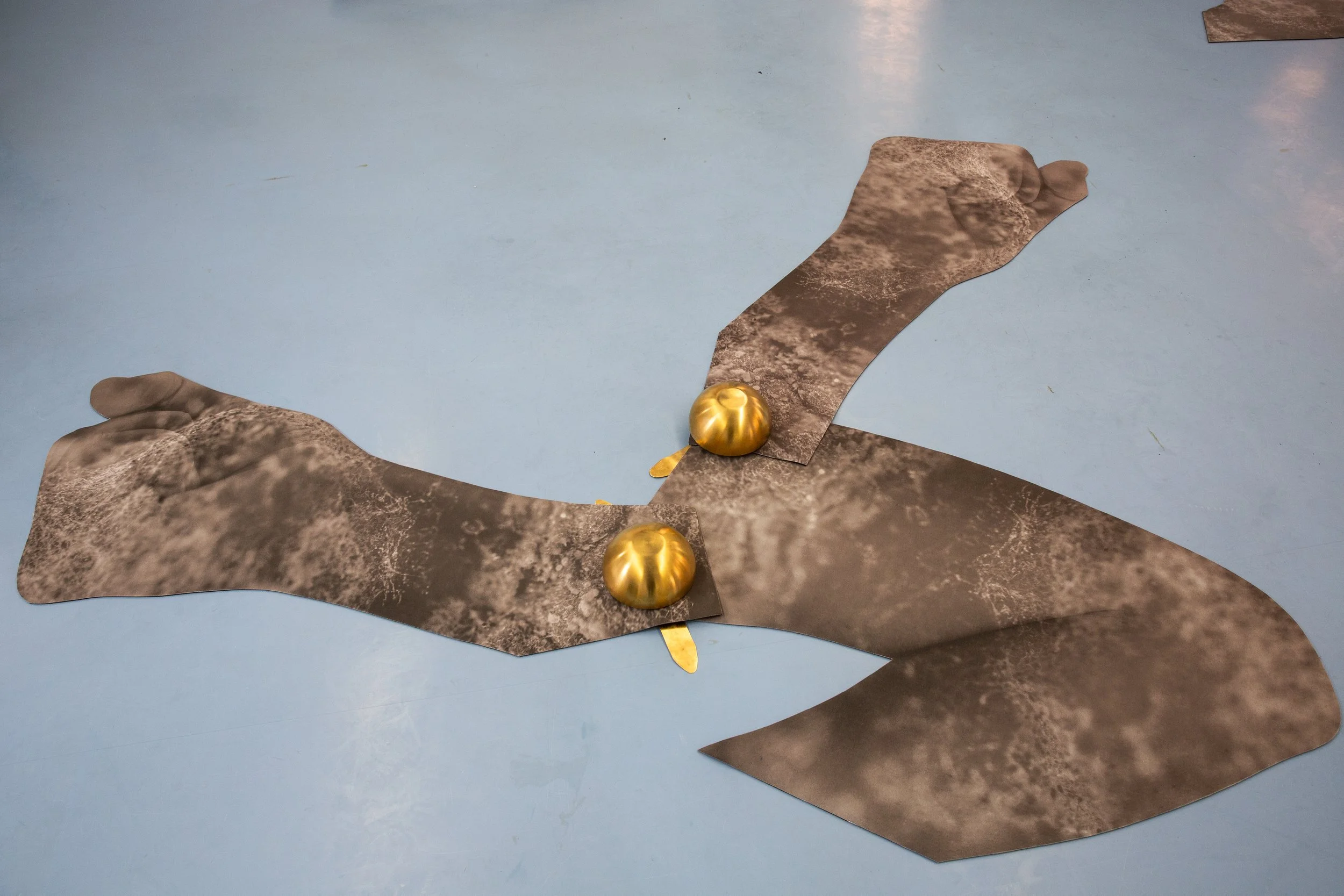
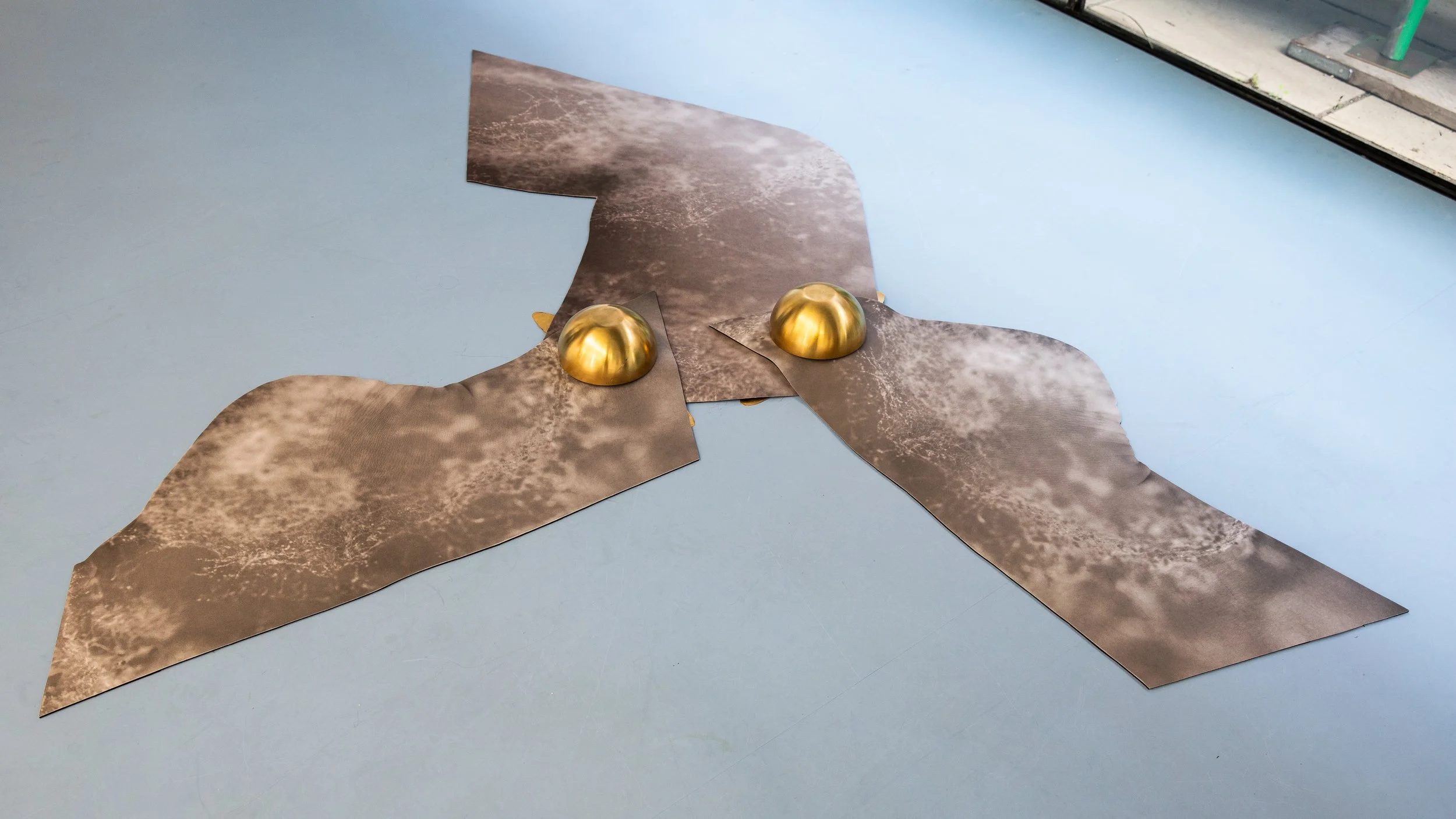
Jointed, 2026
These sculptural works present photographs of Attwood’s joints overlaid with images of mould, reflecting the overproduction and disruption of cells within the body that occurs with psoriatic arthritis. The images are printed at scale to make the internal processes of her autoimmune condition more visible and are assembled using oversized split pins. This playful material language contrasts with the complexity of chronic illness, transforming the body into something to be reassembled.
Skin Cells, 2022
Here, Attwood uses microscope imagery to show her own skin cells. As a result of her psoriatic arthritis, these cells reproduce and push to the skin’s surface nearly ten times faster than normal. At this microscopic level, the cells appear beautiful and almost crystal-like, yet also unsettling. By placing her own body under minute observation and presenting her skin cells in specimen boxes, Attwood reclaims the role of the specimen, shifting the power away from the medical and back towards herself.
Enthesitis, 2024
Attwood created this work following a diagnosis of enthesitis, a subcategory of psoriatic arthritis. The condition manifests as inflammation at the entheses: the sites where tendon meets bone. Here, the tree’s tendon-like bark, thick knots and burls caused by strain echo the arthritic body. Drawn to these visible traces of stress and damage in the natural world, Attwood explores the
resonances between body and landscape - giving form to the often unseen realities of chronic illness.
Skin Paintings, 2022
In these works, Attwood uses latex to explore the physical experience of living with psoriatic arthritis and its effects on the skin. Using pigment to represent the excess skin cells produced by psoriasis, she builds up layers of paint before stretching, tearing and breaking the latex surface. The process reflects the damage and disruption caused by the condition, while the material’s elasticity evokes the skin itself. Created during periods when pain made photography difficult, the paintings offer a tactile and meditative way for Attwood to explore her changing relationship with her body.
Header Image and Studio Shots Courtesy of The Poorly Project
To see more about about the project please visit www.thepoorlyproject.com/tales/antonia-attwood
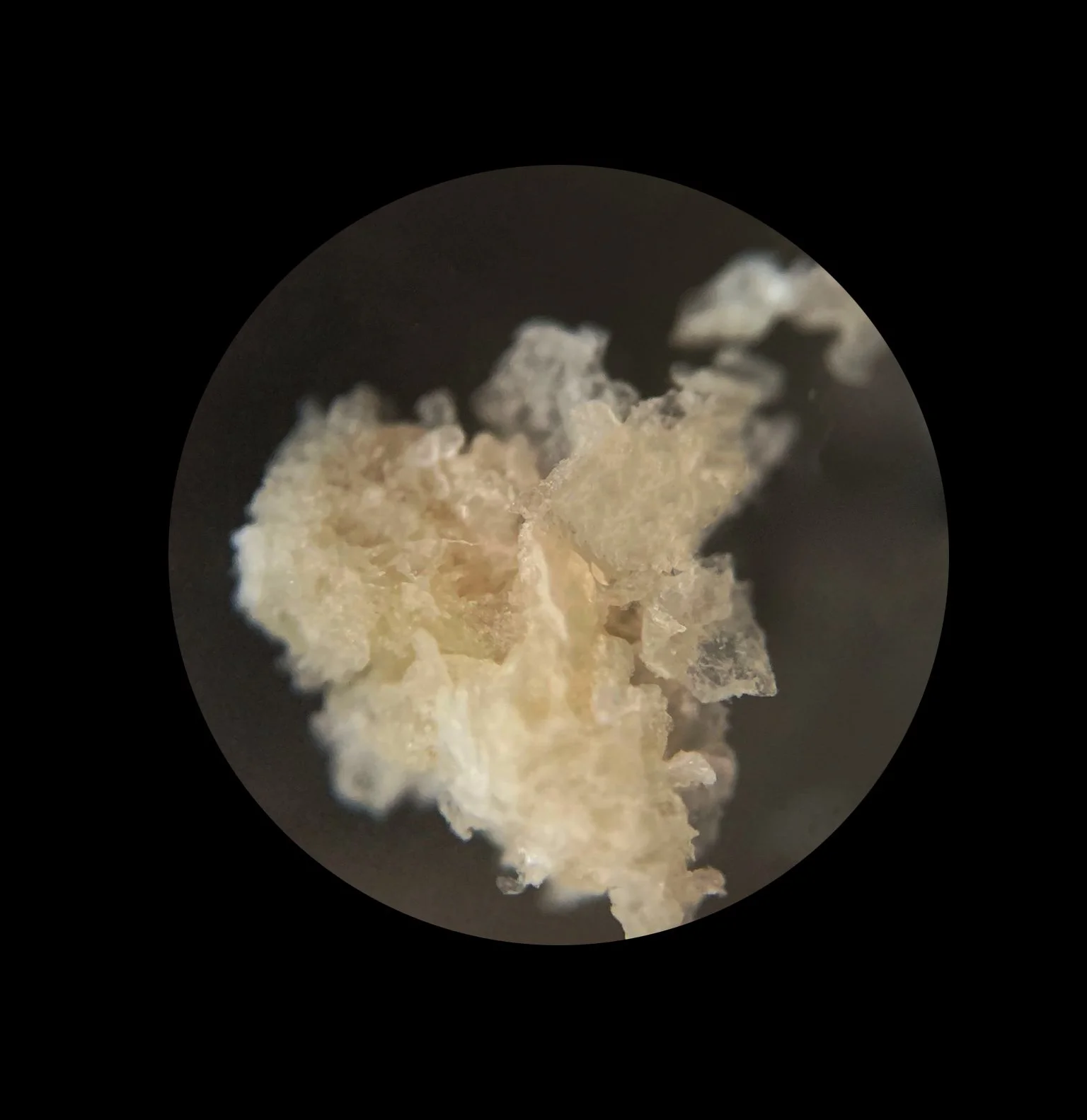
Skincell #1
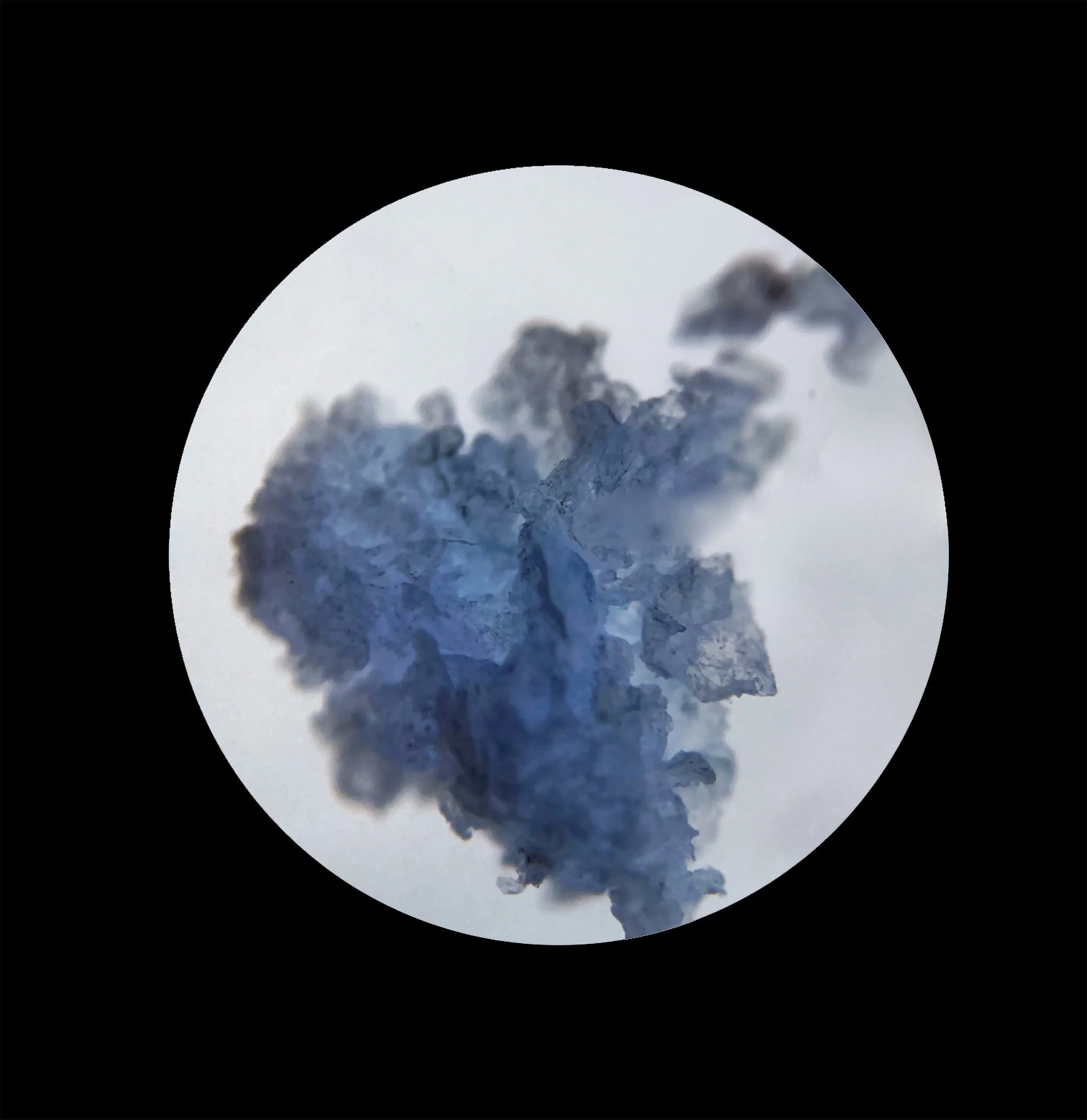
Skincell #2
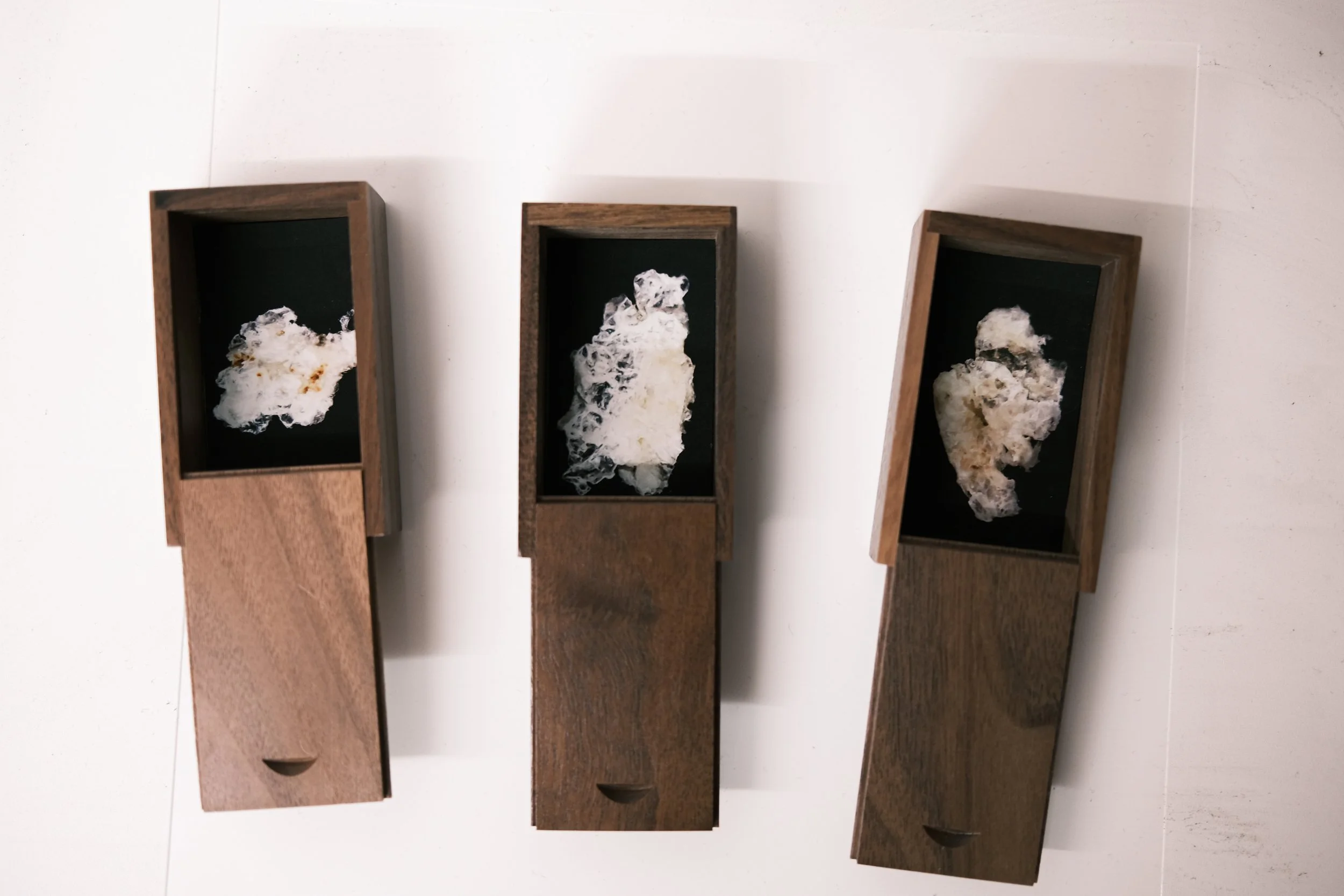
Skin Cells #3 #4 #5
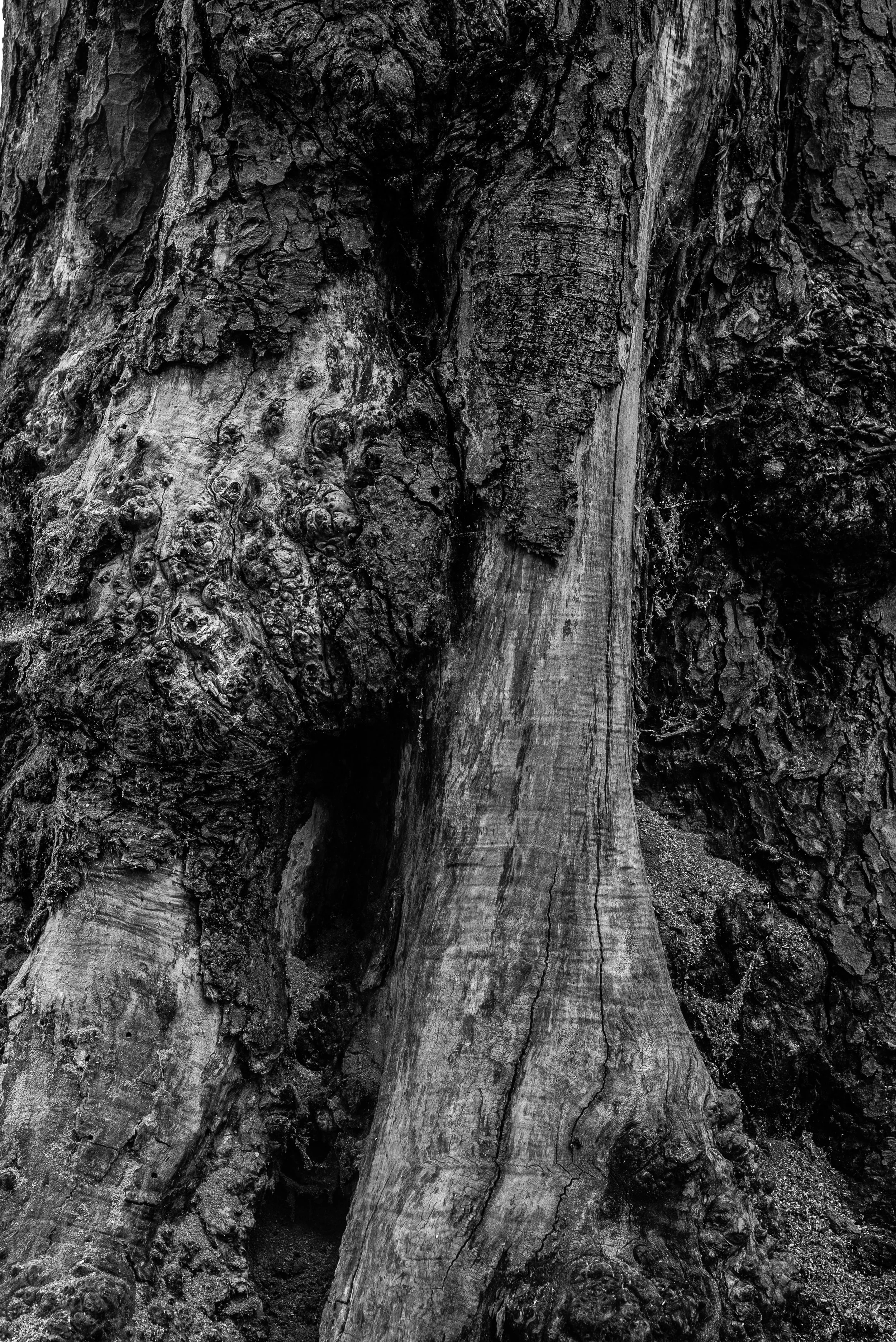
Enthesitis
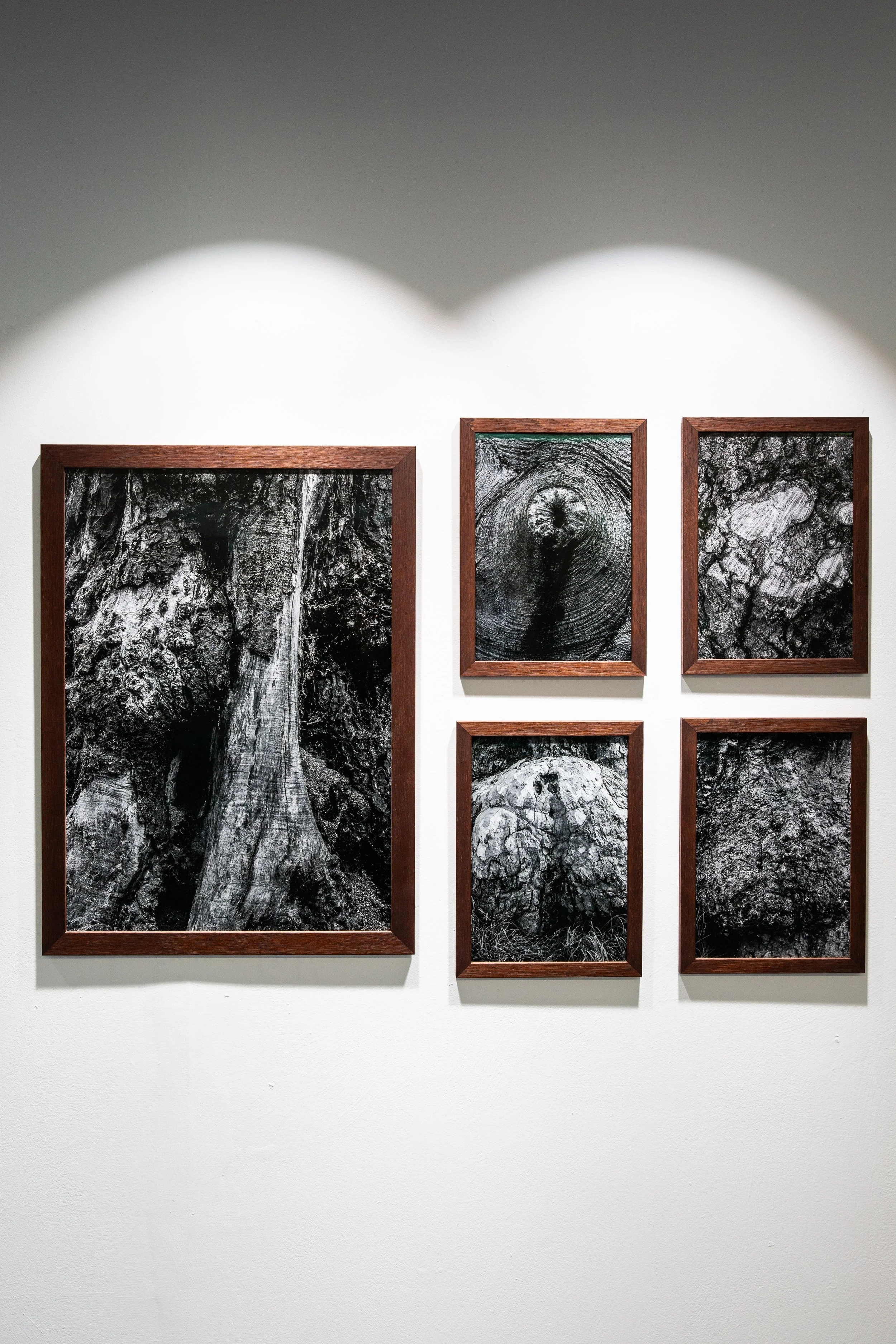
Enthesitis

Skin Paintings
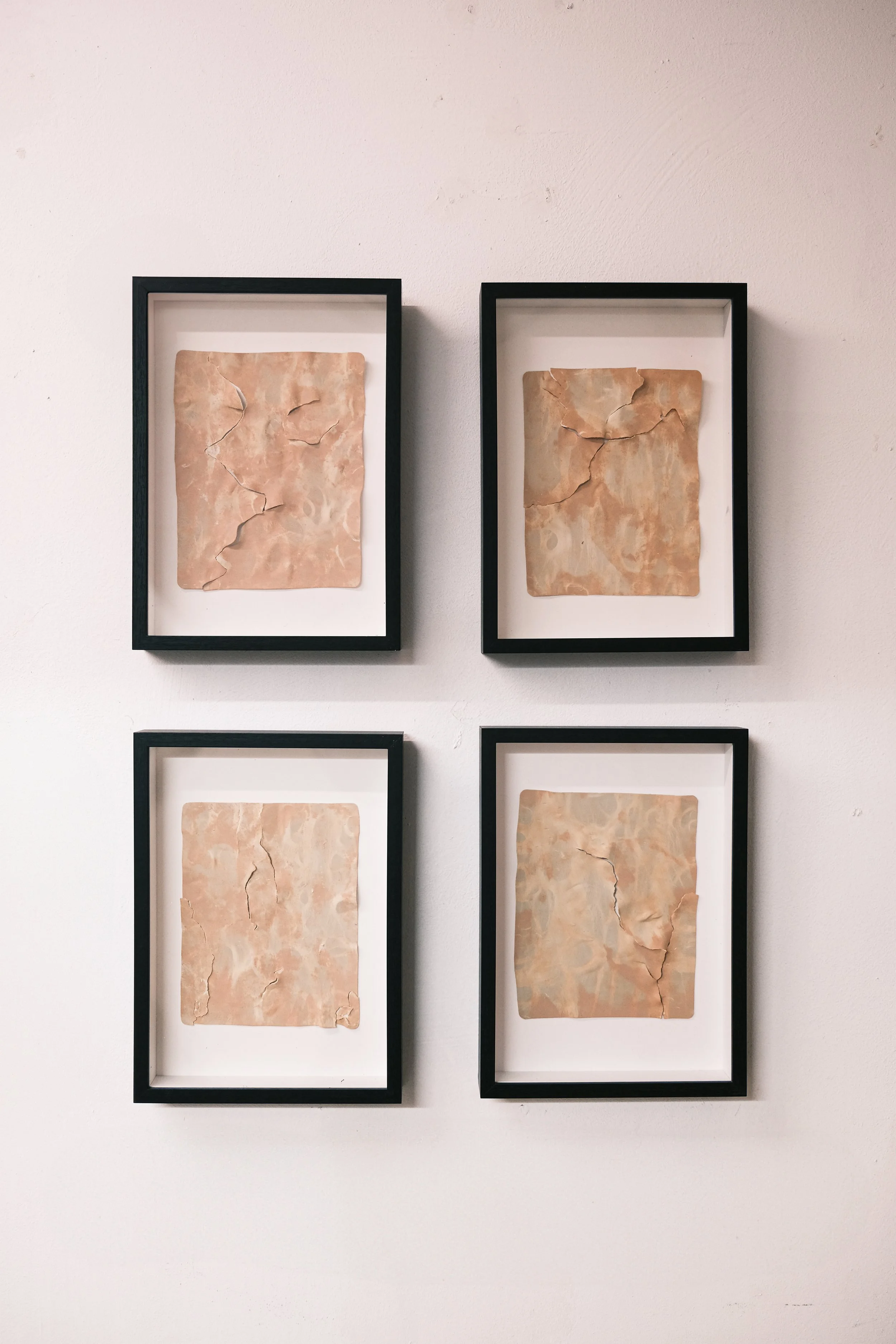
Skin Paintings
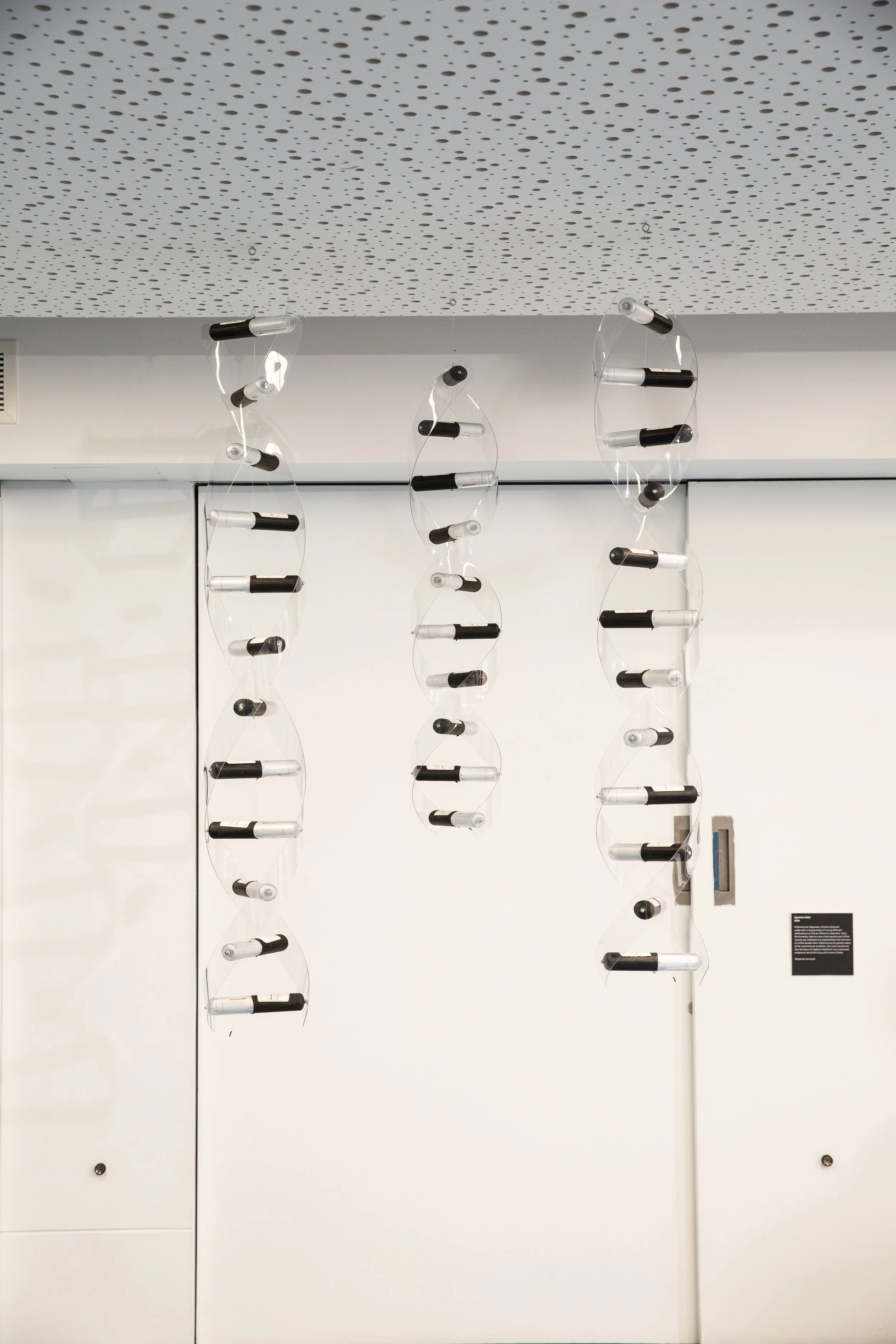
Injection Helix
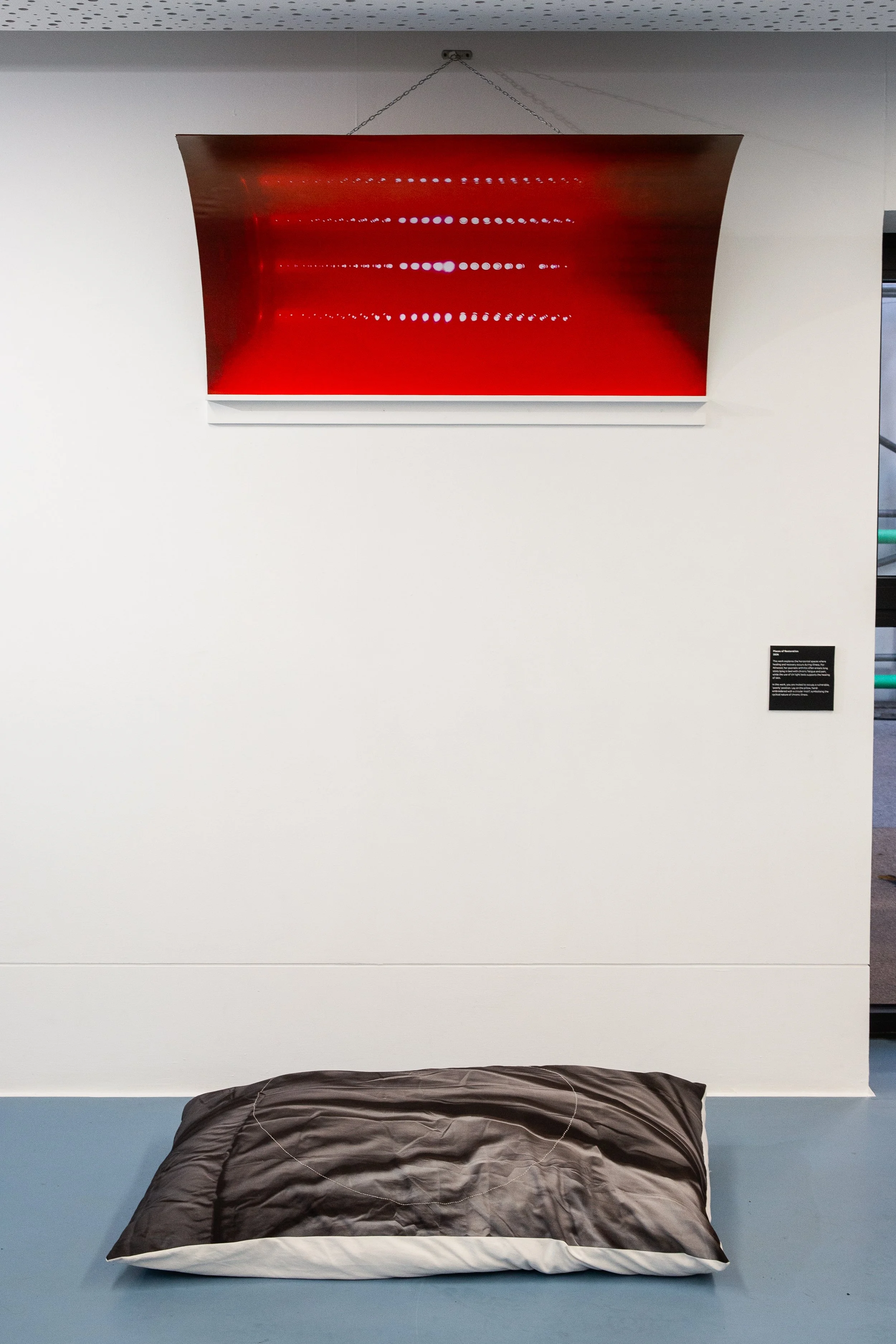
Places of Restoration
Jointed #1
Jointed #2
Treatment List